The Next Evolution of Blockchain Protocols for Real-World Assets
New blockchain protocols are redefining how real-world assets (RWAs) are tokenized, traded, and secured. The future lies in hybrid frameworks balancing compliance, scalability, and innovation.
 Toouk News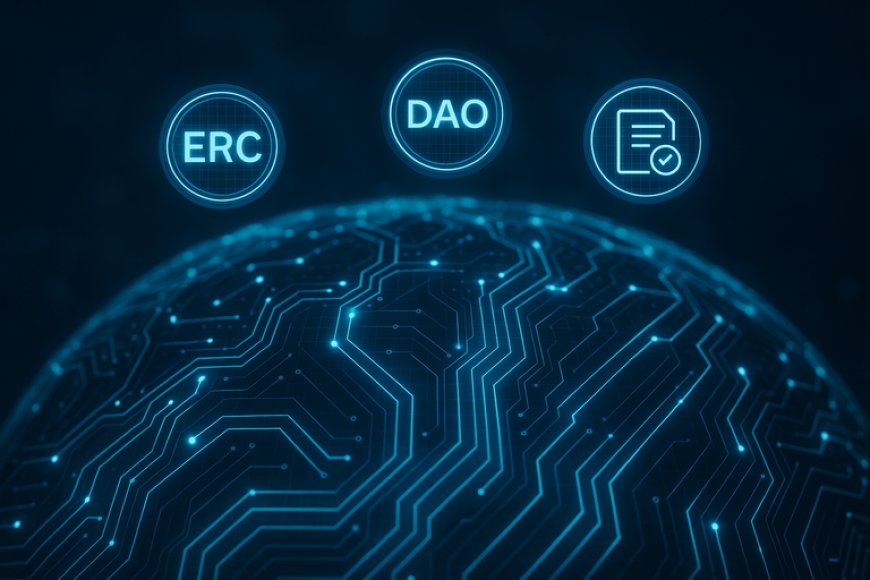
Tokenization of real-world assets (RWAs) is no longer a theory—it’s becoming a cornerstone of the digital economy. At the center of this transformation are blockchain protocols, the technical frameworks that make it possible to represent, trade, and secure real-world assets on-chain. The evolution of these protocols is what will determine whether RWA tokenization becomes a niche experiment or a trillion-dollar standard.
Why Protocols Matter in RWA Tokenization
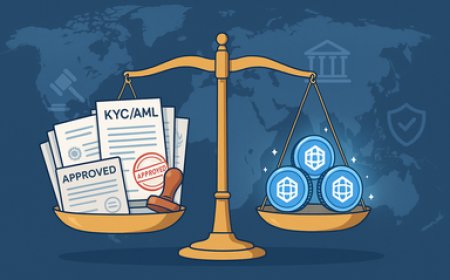
Protocols are the “rules of the road” for how digital assets are issued, managed, and transferred. For RWAs, protocols must solve challenges that traditional crypto didn’t face: regulatory compliance, legal enforceability, multi-party ownership, and integration with off-chain infrastructure. Without the right protocols, tokenized assets risk being insecure, unregulated, or untrusted by institutions.
Established EVM Standards
The Ethereum ecosystem has already introduced protocols like ERC-1400 and ERC-3643, which add compliance-focused features for security tokens. These include built-in restrictions for transfers, investor accreditation checks, and audit-friendly transparency. More recently, ERC-404 has explored hybrid functionality that blends fungible and non-fungible token properties, opening doors to more flexible asset classes.
The Limitations of Current Standards
While groundbreaking, these standards are not perfect.
-
Scalability: High transaction costs and limited throughput still burden Ethereum-based protocols.
-
Fragmentation: Different platforms adopt different standards, making interoperability a challenge.
-
Compliance Flexibility: Local regulatory requirements often demand adjustments, but many protocols lack the adaptability to accommodate diverse jurisdictions.
The Rise of Enhanced Protocols
This has led to a wave of innovation in protocol design. Enhanced frameworks like ERC-390 and ISTO20 are tailored to simulate stock-style offerings with built-in compliance automation. These protocols allow issuers to tokenize traditional equity-like instruments with greater transparency, flexibility, and security.
Native Blockchain Protocols
Beyond Ethereum, specialized blockchains are emerging to focus exclusively on RWAs. These networks incorporate compliance, asset verification, and DAO governance directly into their architecture. Instead of retrofitting financial rules into generic blockchains, these purpose-built systems address RWA needs at their core.
Toouk Market’s Edge
Toouk Marketplace pushes blockchain innovation further by combining multi-protocol compatibility with its own proprietary standards.
-
ERC-390 and ISTO20 (EVM-based) allow seamless tokenization of securities and equity-like assets.
-
Toouk Blockchain native protocols like STFOA11, CSSTO11, ISTO21, and SSRO39 tackle challenges in fractional ownership, secure share offerings, and loan-backed guarantees.
-
With escrow smart contracts and DAO-driven asset management, Toouk doesn’t just support protocols—it redefines them.
This hybrid architecture positions Toouk as a leader in making RWAs accessible, compliant, and globally scalable.