Tokenization Explained
Tokenization is the process of turning ownership of real-world assets (like real estate, company shares, or art) into digital tokens on a blockchain. These tokens can be divided, traded, and transferred securely, making assets more liquid, accessible, and transparent.
 Toouk News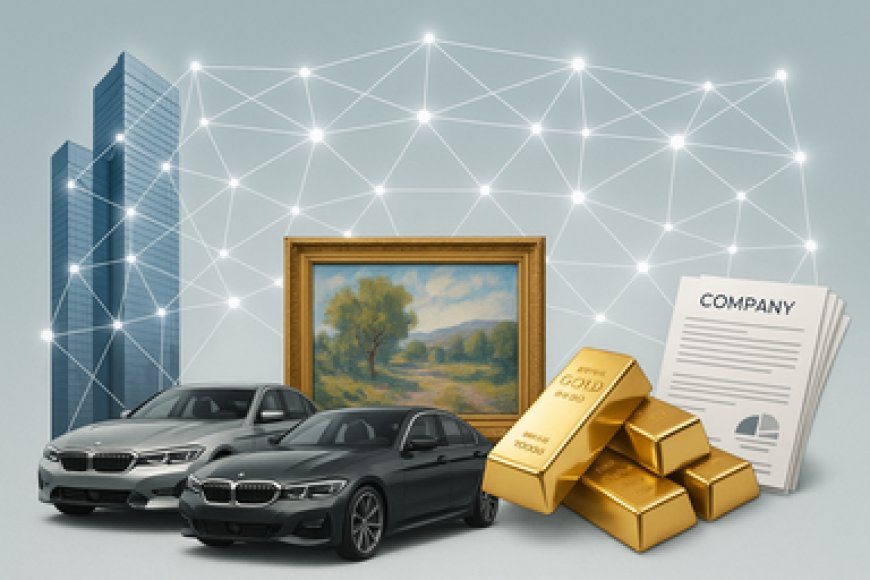
What does tokenization mean?
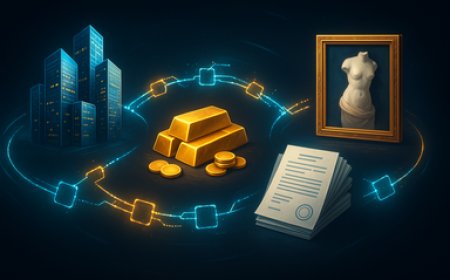
At its core, tokenization means taking something valuable in the real world, like a building, a gold bar, or even revenue from a business, and representing it with a digital token on a blockchain.
Each token acts like a digital certificate of ownership. Just as a share certificate represents ownership in a company, a token represents ownership in part (or all) of an asset.
How does tokenization work?
-
Asset Selection & Verification
The real-world asset (e.g., property, company shares) is identified, verified, and appraised. -
Legal & Compliance Setup
Compliance requirements such as KYC (Know Your Customer), AML (Anti-Money Laundering), and regulatory approvals are integrated into the process. -
Token Creation
Using blockchain standards (like ERC-1400 for security tokens or Toouk’s enhanced ERC-390), the asset is digitally represented as tokens. -
Distribution
Investors can buy tokens, representing fractional ownership. -
Trading & Transfers
Tokens can be resold or traded within the marketplace, providing liquidity. -
Income & Management
Any income (like rent or dividends) is automatically distributed to token holders using smart contracts.
Why is tokenization important?
Traditional assets like real estate or private equity are often illiquid and hard to access. Tokenization changes that by making them:
-
Divisible – Instead of needing $1M to buy a property, you can invest $1,000 for a fractional share.
-
Tradable – Tokens can be resold on secondary markets, creating liquidity.
-
Global – Anyone around the world with compliance approval can participate.
-
Transparent – Blockchain provides a tamper-proof record of ownership.
-
Efficient – Escrow, settlement, and income distribution are automated.
Examples of tokenization in action
-
Fractional Real Estate: A $10M commercial property split into 1M tokens. Each token equals $10 worth of ownership, making the asset accessible to many investors.
-
Private Equity: A startup raises funds by issuing tokens that represent equity shares, opening investment to a wider global pool.
-
Luxury Goods & Collectibles: A rare painting tokenized so multiple investors can co-own it, each benefiting if its value rises.
-
Revenue Streams: Future income (like music royalties or business cash flows) tokenized and sold to investors.
The bigger picture
Tokenization is more than just digitization. It’s about rebuilding trust in ownership systems by embedding compliance, audit trails, and legal safeguards directly into blockchain protocols.
Toouk Market is designed to make tokenization secure, compliant, and simple — combining asset verification, escrow, automated income distribution, and DAO-based management in one place.