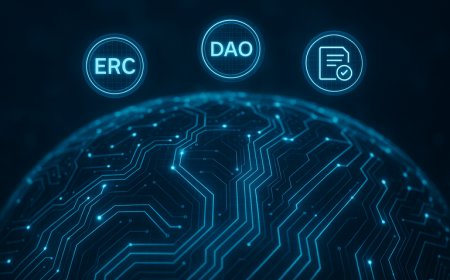
What are Real-World Assets (RWAs)?
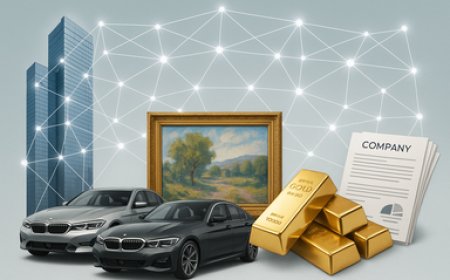
Real-World Assets (RWAs) are physical or traditional assets — like real estate, company shares, art, commodities, or luxury goods — that are represented digitally on the blockchain through tokenization. This process transforms ownership into secure, tradeable tokens, making assets more liquid, accessible, and globally transferable.
 Toouk News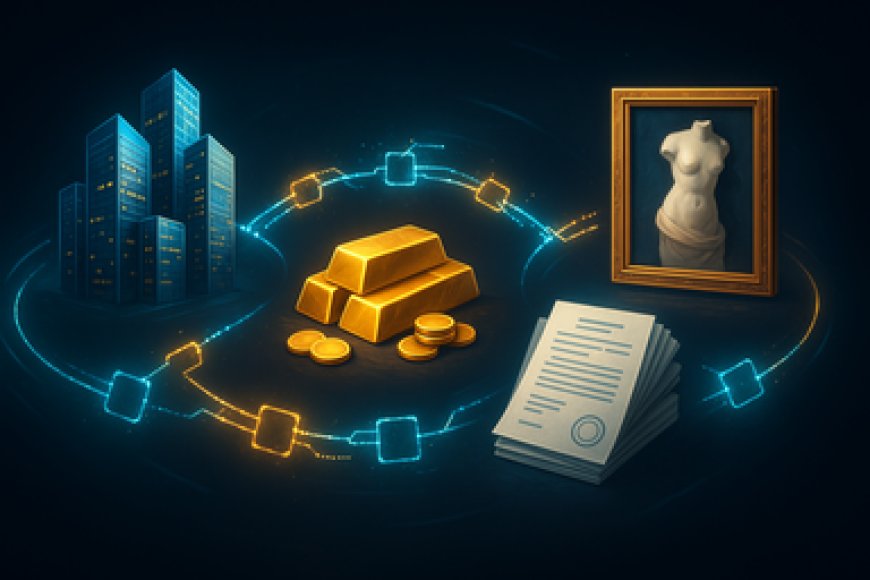
From Traditional Assets to Tokenized Assets
In traditional finance, ownership of assets is complicated. If you want to invest in a commercial building or a piece of fine art, you usually need:
-
Large amounts of upfront capital.
-
Layers of intermediaries (banks, brokers, notaries, lawyers).
-
Time-consuming paperwork and regulatory steps.
This creates a world where only institutions or wealthy investors can access high-value opportunities. Everyday investors are often shut out.
RWAs change this dynamic by bridging the gap between the physical and digital world. When assets are tokenized, they’re transformed into blockchain-based tokens that can be divided, traded, and transferred like digital currency.
How Tokenization Works in Practice
Tokenization is the process of creating digital tokens that represent ownership rights in a real-world asset.
Here’s an example with real estate:
-
Imagine a $10 million office building.
-
Instead of one buyer, the property is tokenized into 1,000,000 digital tokens.
-
Each token is worth $10 and represents a small fraction of the building.
-
Investors can purchase as many tokens as they want, gaining fractional ownership of the property.
-
Rental income, if generated, can be distributed to token holders through automated smart contracts.
This model can apply to almost any asset:
-
Properties → Residential, commercial, or land.
-
Company Shares → Equity, private stock, or startup fundraising.
-
Luxury Goods → Cars, watches, rare collectibles.
-
Art & Culture → Paintings, sculptures, music royalties.
-
Commodities → Gold, oil, agricultural products.
Why RWAs Matter
RWAs unlock new opportunities that traditional finance struggles with:
-
Fractional Ownership
Instead of needing millions, investors can buy smaller shares of expensive assets. A student with $100 could own part of a property portfolio or an art piece previously reserved for millionaires. -
Liquidity
Traditional assets are hard to sell quickly (selling a property can take months). With tokenization, assets can be traded 24/7 on blockchain marketplaces like Toouk Market. -
Transparency and Trust
The blockchain serves as a tamper-proof ledger, recording every transaction and ownership change. This eliminates disputes about who owns what and reduces fraud. -
Global Access
Investors around the world can buy and sell tokenized assets without being blocked by geography. A property in Dubai can have investors from New York, Tokyo, or Lagos. -
Efficiency
Smart contracts automate processes like dividend distribution, compliance checks, or asset transfers, cutting down on costs and time.
RWAs vs. Traditional Investments
Here’s a simple comparison:
|
Feature |
Traditional Assets |
Tokenized RWAs |
|
Ownership |
Full, expensive, hard to divide |
Fractional, accessible, flexible |
|
Liquidity |
Low (months to sell) |
High (tradeable instantly on blockchain) |
|
Transparency |
Paper records, prone to disputes |
Immutable blockchain ledger |
|
Accessibility |
Limited to wealthy/institutions |
Open to global retail + institutional |
|
Fees & Middlemen |
High (banks, brokers, notaries) |
Lower (smart contracts reduce overhead) |