The Role of DAO Governance in Asset Management
DAOs make asset management transparent, community-driven, and secure by letting token holders participate in key investment decisions.
 Toouk News
The Old vs. the New
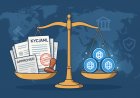
Traditional asset management is centralized. A small group of managers or custodians makes decisions on investments, often with little visibility for investors. This structure has long been criticized for lack of transparency and misaligned incentives.
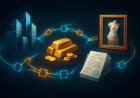
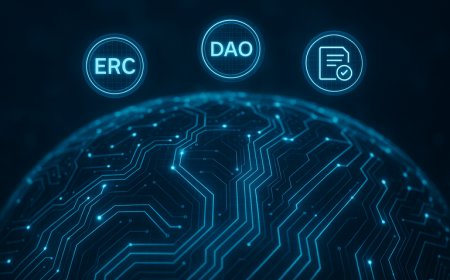
Blockchain introduces a powerful alternative: Decentralized Autonomous Organizations (DAOs). Instead of decisions being made behind closed doors, DAOs empower communities of token holders to directly participate in governance. In the context of real-world asset (RWA) tokenization, this means investors can vote on how assets are managed, income is distributed, and strategies are executed.
How DAO Governance Works
DAOs operate through smart contracts—self-executing code that enforces decisions without human interference. Token holders can:
-
Propose changes or actions (e.g., selling a property, appointing an asset manager).
-
Vote on proposals proportional to their holdings.
-
Execute outcomes automatically via blockchain once decisions pass.
This eliminates disputes, delays, and hidden agendas. Every vote and decision is recorded on-chain, creating an immutable record accessible to all participants.
Benefits of DAO Governance for Asset Management
-
Transparency – Every action is logged on-chain, reducing the risk of fraud or mismanagement.
-
Fairness – Influence is proportional to holdings, ensuring larger stakeholders have more say, but all voices are counted.
-
Efficiency – Smart contracts automate execution, cutting costs and bureaucracy.
-
Global Participation – Investors from different regions can co-manage assets without needing to trust a single central authority.
DAO Governance in Practice: Toouk Marketplace
Toouk Market integrates DAO governance into its tokenization ecosystem. For example, token holders in a fractionalized real estate deal can collectively vote on whether to distribute profits, reinvest into upgrades, or liquidate the asset.
Instead of relying on a single asset manager’s judgment, investors gain both ownership and decision-making power. This alignment of interests builds stronger trust between issuers and investors while ensuring that every asset’s direction reflects community consensus.
The Bigger Picture
DAO governance is more than a technical innovation—it’s a cultural shift. It replaces “trust in managers” with “trust in code + community.” As adoption of tokenized assets grows, DAO governance is likely to become the standard for asset management, ensuring inclusivity, fairness, and transparency.