The Role of Compliance in Tokenization for Real-World Assets
Tokenization has emerged as a revolutionary approach to representing real-world assets (RWAs) on a blockchain.
 Toouk News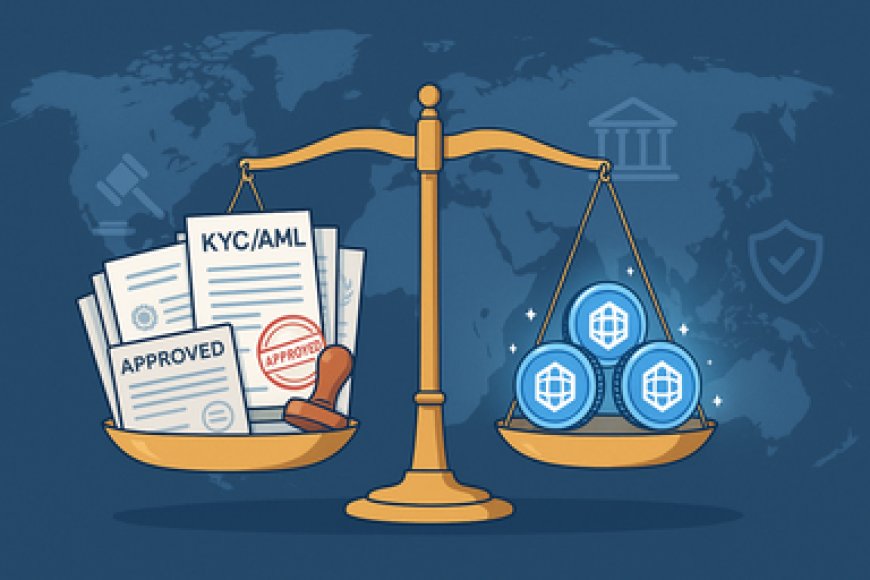
The Role of Compliance in Tokenization for Real-World Assets
Tokenization has emerged as a revolutionary approach to representing real-world assets (RWAs) on a blockchain. This process involves converting physical or tangible assets, such as real estate, commodities, or intellectual property, into digital tokens that can be easily traded, divided, and managed on a blockchain platform. While the technological advantages of tokenization are significant, compliance plays a crucial role in ensuring that these digital representations adhere to legal and regulatory frameworks. This article explores the multifaceted role of compliance in the tokenization of RWAs, focusing on regulatory challenges, best practices, and the future landscape of compliant tokenization.
Understanding Tokenization and Its Implications
Tokenization refers to the process of creating a digital representation of an asset on a blockchain. By converting physical assets into tokens, the process enhances liquidity, reduces transaction costs, and democratizes access to investments. However, the transition from traditional asset management to a tokenized ecosystem raises several compliance-related challenges. These challenges stem from the need to ensure that tokenized assets comply with existing laws and regulations designed to protect investors and maintain market integrity.
Regulatory Landscape for Tokenized RWAs
The regulatory landscape surrounding tokenization is complex and varies significantly across jurisdictions. In many countries, securities laws apply to tokenized assets, particularly when these tokens are classified as securities. This classification can impose stringent requirements regarding registration, disclosure, and investor protections. For instance, the U.S. Securities and Exchange Commission (SEC) has established guidelines that classify certain tokens as securities, requiring compliance with the Securities Act of 1933.
Furthermore, anti-money laundering (AML) and know your customer (KYC) regulations are critical components of compliance for tokenized assets. These regulations require platforms facilitating tokenized transactions to implement robust measures for verifying the identities of their users and monitoring transactions for suspicious activities. Failure to comply with AML and KYC regulations can result in severe penalties, including fines and reputational damage.
The Importance of Compliance in Building Trust
Compliance serves as a cornerstone for building trust among investors and stakeholders in the tokenization ecosystem. By adhering to established regulations, tokenization platforms can enhance their credibility, attracting a broader range of investors who may otherwise be hesitant to engage with unregulated markets. Compliance also fosters transparency, as regulatory frameworks often require comprehensive disclosures and reporting, allowing investors to make informed decisions.
Moreover, compliance with international standards can enhance cross-border transactions, enabling tokenized assets to reach a global audience. By ensuring that tokenized assets meet the regulatory requirements of different jurisdictions, platforms can facilitate smoother transactions and broaden their market appeal.
Best Practices for Compliance in Tokenization
To navigate the complex regulatory landscape, tokenization platforms should adopt several best practices:
1. Engage Legal Expertise
Collaborating with legal experts who specialize in securities law and blockchain technology is essential for understanding the regulatory requirements applicable to tokenized assets. Legal counsel can provide valuable insights into compliance issues and help navigate the complexities of various jurisdictions.
2. Implement Robust KYC and AML Procedures
Establishing strong KYC and AML procedures is critical for compliance. This includes verifying the identities of users, monitoring transactions, and reporting suspicious activities to relevant authorities. Utilizing advanced technologies, such as biometric verification and blockchain analytics, can enhance the effectiveness of these measures.
3. Regular Compliance Audits
Conducting regular compliance audits can help identify gaps in adherence to regulatory requirements. These audits should assess the effectiveness of existing compliance programs and recommend improvements to ensure ongoing compliance.
4. Foster Transparency and Communication
Maintaining open communication with regulators and stakeholders is crucial for building trust. Transparent practices, such as regular reporting and updates on compliance efforts, can enhance stakeholder confidence in the platform.
The Future of Compliance in Tokenization
As the tokenization of RWAs continues to evolve, the role of compliance will remain paramount. Regulatory bodies are increasingly recognizing the potential of blockchain technology and the need to create frameworks that accommodate innovation while protecting investors. The future may see the development of specific regulatory frameworks tailored to tokenized assets, which could streamline compliance and promote growth in the sector.
Furthermore, advancements in technology, such as smart contracts, may offer new avenues for enhancing compliance. Smart contracts can automate compliance processes, ensuring that transactions adhere to regulatory requirements without compromising efficiency.
Conclusion
In conclusion, compliance is a fundamental aspect of the tokenization of real-world assets, ensuring that these innovative financial instruments can operate within the bounds of existing laws and regulations. By prioritizing compliance, stakeholders can enhance trust, foster transparency, and create a sustainable ecosystem for tokenized assets. As the landscape continues to evolve, ongoing collaboration between regulators, legal experts, and tokenization platforms will be essential to navigate the complexities of compliance and unlock the full potential of tokenization.